How to Start a Government Contracting Business from Home (Step-by-Step for Beginners)
Michele Beauvoir · November 5, 2026 · 4 min read
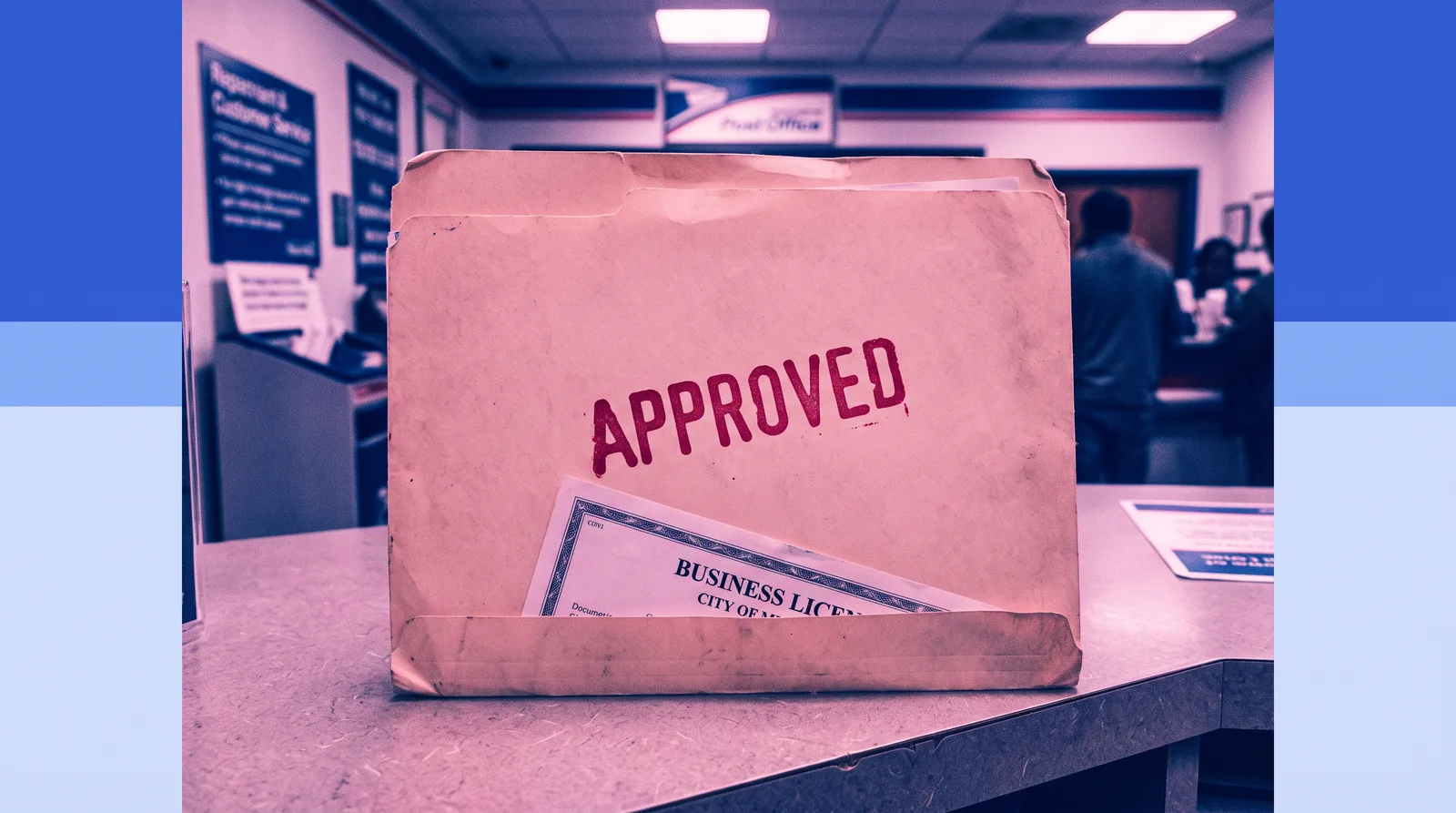
The federal government is the single largest buyer of goods and services in the world, and a significant slice of that spending is legally set aside for small businesses. What most people don't realize is that the entry point — getting your business legally registered and visible to federal buyers — doesn't require a lawyer, a downtown office, or years of corporate experience. You can do it from your kitchen table.
This post walks you through every foundational step. By the end, you'll know exactly what to do, in what order, and why each piece matters.
Step 1: Choose Your Business Structure
Before you can register anywhere, you need a legal business entity. For most people starting a home-based government contracting business, a single-member LLC is the right starting point. It's simple to maintain, separates your personal assets from your business liabilities, and is taken seriously by contracting officers.
Form your LLC through your state's Secretary of State website. Fees vary by state — typically between $50 and $500. Use a name that sounds professional and isn't already taken in your state's business database. Keep it broad enough that you're not locked into one niche before you've figured out where you'll win.
Step 2: Get Your EIN from the IRS
An Employer Identification Number (EIN) is essentially a Social Security number for your business. You'll need it to open a business bank account and to complete your federal registrations.
The good news: it's free, and you can get it instantly. Go to IRS.gov, search "Apply for an EIN online," answer the questions, and your number is issued on the spot. Write it down somewhere safe — you'll use it repeatedly.
Step 3: Open a Dedicated Business Bank Account
This step is non-negotiable. Mixing personal and business finances is a red flag for auditors and makes bookkeeping a nightmare. Take your LLC formation documents and EIN to any bank or credit union and open a business checking account. Some online banks have no monthly fees and work perfectly well for a home-based operation.
Step 4: Get Your DUNS Number / UEI
The federal government identifies your business with a Unique Entity Identifier (UEI), which replaced the old DUNS number system. You'll receive your UEI automatically when you register in SAM.gov (covered in Step 6), so you don't need to pursue it separately beforehand. Just know what it is so you're not confused when you see the term.
Step 5: Identify Your NAICS Codes
A NAICS code (North American Industry Classification System) is a numerical label that tells the government what kind of work your business does. Federal agencies use these codes to find contractors and to set aside contracts for small businesses.
Go to census.gov/naics and search for terms that describe your services — things like "janitorial services," "IT consulting," "landscaping," or "document preparation." You'll likely find two to four codes that apply to you. Write them all down. You'll enter them in SAM.gov, and they'll appear in your federal profile so agencies can find you.
Step 6: Register in SAM.gov — Your Most Important Step
SAM.gov (the System for Award Management) is the federal government's official vendor database. If you're not in SAM, you effectively don't exist to federal buyers. Registration is free — if anyone tries to charge you for it, walk away.
Here's what the process looks like:
- Go to SAM.gov and create a login.gov account if you don't have one.
- Start a new entity registration and select "I want to be able to bid on federal contracts."
- Enter your legal business name, EIN, address, and NAICS codes.
- Complete the representations and certifications — these are mostly yes/no attestations about your business size and ownership.
- Submit. Processing currently takes anywhere from a few days to a few weeks.
Once approved, your registration is active for one year. Set a calendar reminder to renew it — a lapsed SAM registration can disqualify you from an award even after you've won.
Step 7: Check Your Small Business Certifications
SAM.gov registration makes you visible, but small business certifications can make you competitive. The SBA administers several set-aside programs, including:
- 8(a) — for socially and economically disadvantaged business owners
- HUBZone — for businesses in historically underutilized areas
- WOSB — Women-Owned Small Business
- VOSB/SDVOSB — Veteran and Service-Disabled Veteran-Owned Small Business
These aren't required to start, but they open doors to contracts specifically reserved for businesses like yours. Research which ones you may qualify for at sba.gov and begin the application process early — some take months.
You're More Ready Than You Think
Most people stall because they assume government contracting is a world built for insiders. It isn't. The registration infrastructure exists specifically to invite small, new, and home-based businesses into the marketplace. These seven steps are your on-ramp — and every single one of them is public, free, and designed for someone exactly where you are right now.
The harder work — finding the right opportunities, writing competitive proposals, building agency relationships — comes next. But none of that is possible until your foundation is solid. Get registered. Get visible. Then we'll talk about winning.